
Choosing the right kayak can make all the difference in your outdoor adventures, whether it's exploring serene lakes, navigating whitewater rapids, or fishing in coastal waters.
With countless options available, it's essential to consider a few key factors before investing in a kayak that suits your needs.

Understand your kayaking goals
Start your kayak journey by setting your goals. Are you a thrill-seeker longing for fast rapids, or do you prefer serene lakes? Tailor your choice of kayak to the experience you want.
Read More: How To Portage A Kayak: Mastering the Art of Effortless Transitions
Types of Kayaks
Before purchasing a kayak, it's important to decide what type of kayaking you'll mainly be doing, as different kayaks are designed for specific environments and activities. Here are some popular types:
- Whitewater Kayak
- Ocean Kayak
- Recreational Kayak
- Sea Kayak
- Inflatable Kayak
For beginners, a stable and easy-to-maneuver recreational kayak is often recommended, especially those with a wider beam and a flat bottom or pontoon-style hull. Sit-on-top kayaks are also a good option as they provide easier entry and exit.
Kayak size matters
Volume plays an important role in comfort and performance. Learn how to choose the right kayak size based on your body type, skill level, and intended use.
Sit-in vs. sit-on-top kayaks
Learn about the pros and cons of sit-in and sit-on-top kayaks. Discover which style suits your preferences and comfort level.
Material Matters: Construction of Kayaks
Explore materials used in kayak construction, such as plastic, fiberglass, and composites. Uncover the impact on durability, weight, and cost.
Stability and maneuverability
Strike the perfect balance between stability and maneuverability. Understand the trade-offs and choose a kayak that suits your skill level and water conditions
Storage and transportation considerations
Heading to different reservoirs? Learn about storage and transportation options. Foldable, inflatable, or rigid—explore what suits your lifestyle.
Testing the waters: Kayak test drive
Before committing, check out potential kayaks. Many outfitters allow this, ensuring that you feel confident and comfortable with your choice.
Brand Reputation: A Decisive Factor
Navigate the seas of kayak brands. Consider reputation, customer reviews, and warranties to ensure you invest in a reliable and trustworthy product.
A budget-friendly option without compromise
Discover affordable kayaking options without compromising on quality. We will guide you in finding the best value for your budget.
Access your kayak adventure
Enhance your kayaking experience with essential accessories. From life jackets to paddles, we'll cover the essentials for a safe and enjoyable trip.
Kayak Maintenance: Prolonged Lifespan
Extend the life of your kayak with proper maintenance tips. From cleaning to storage, we'll make sure your investment lasts.
Environmental Considerations
Become a responsible kayaker by understanding the environmental impact. Learn how to reduce your footprint and contribute to water conservation efforts.
Connecting with the kayaking community
Immerse yourself in the kayaking community. Discover clubs, events, and online forums where you can share experiences and gain valuable insights.
Factors to Consider
When choosing a kayak, pay attention to the following factors:
| Factor | Description |
| Weight Capacity | Determine the total weight of the boat, your gear, and yourself. |
| Length | Longer boats offer efficient cruising and storage, while shorter hulls provide quicker turns. |
| Safety Features |
Consider the safety gear and stability specifications. |
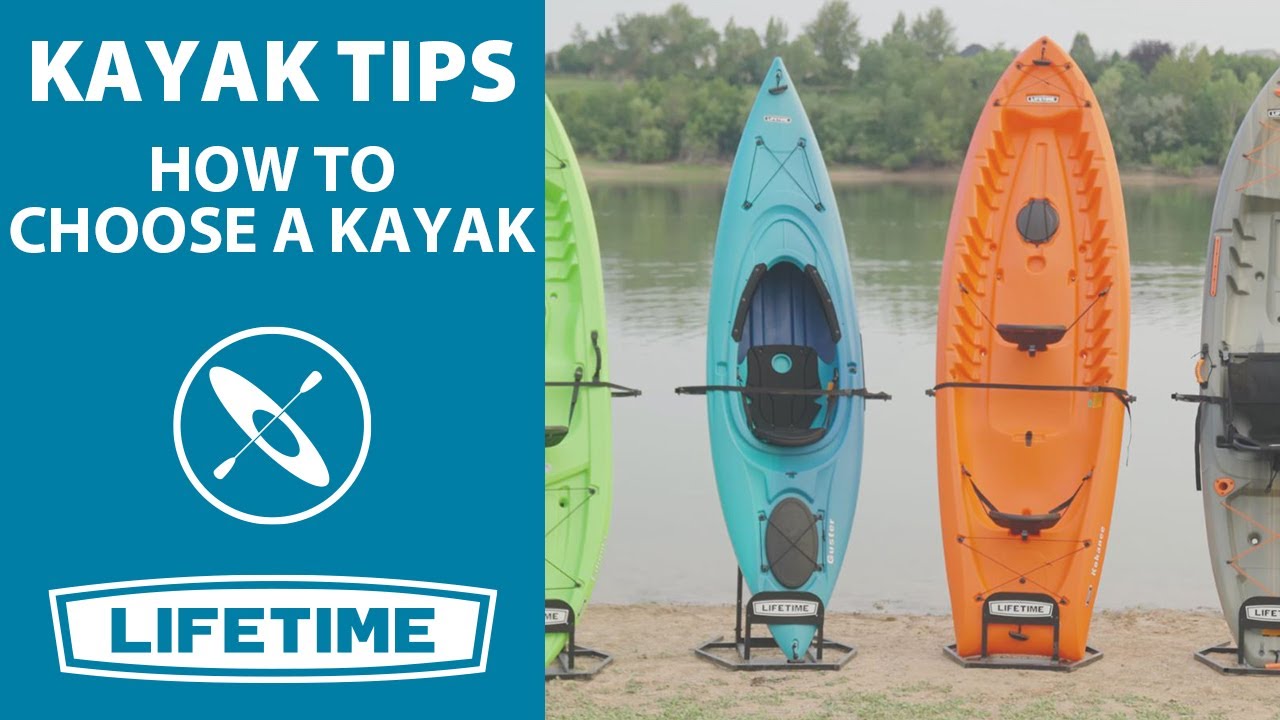
Credit: www.youtube.com
Materials and Price
Kayaks are made from various materials, with Aramid Composites (Kevlar) being one of the most durable.
Prices range depending on the brand, type, and material. It's essential to invest in a kayak that offers both quality and affordability.
Top Brands and Safety
Some popular brands known for their kayak quality include Wilderness Systems, Old Town, and Lifetime.
Safety features such as kayaking safety gear and weight considerations are crucial aspects to prioritize when buying a kayak.
Frequently Asked Questions Of How To Choose A Kayak
What Kind of Kayak Is Best for Beginners?
A recreational kayak is best for beginners. It offers stability, easy maneuverability, and a comfortable sitting experience.
Look for kayaks with a wider beam, a flat bottom or pontoon-style hull, and a comfortable seat. Sit-on-top kayaks, a great option for beginners, are easier to access.
What Should You Look For in a Kayak?
When choosing a kayak, consider the weight capacity and length, stability, and ease of maneuvering.
Look for a wider beam, a flat bottom, and a comfortable seat for beginners. Consider the type of waters you plan to paddle and the activities you'll do.
An assessment of your transportation and storage needs is also crucial.
What Are the Three Golden Rules of Kayaking?
The three golden rules of kayaking are: always wear a personal flotation device; be aware of your surroundings, and know your limits.
These rules are essential for ensuring a safe and enjoyable kayaking experience.
What Do I Need to Know Before Buying a Kayak?
Before buying a kayak, consider the following:
- Determine your skill level and intended use (recreational, fishing, touring, etc. )
- Look for kayaks that are stable, comfortable, and easy to maneuver.
- Consider factors like weight capacity and length based on your needs.
- Choose a kayak made from durable materials like Kevlar or carbon fiber.
- Take into account safety features and consider the weight and speed of the kayak.
Summary
Ultimately, choosing a kayak involves assessing the type of kayaking you enjoy, your weight capacity and length requirements, the material and price range, and the safety features provided.
By carefully considering these factors and researching different options, you can find the perfect kayak to enhance your outdoor experiences.
With the right kayak in hand, you'll be ready to embark on exciting water adventures, from tranquil expeditions to thrilling whitewater escapades, ensuring each journey is both safe and enjoyable.
Nice post
ReplyDelete