
Fishing kayaks are specialized watercraft designed for angling enthusiasts. They provide stability, storage, and accessories for fishing.
A fishing kayak presents a unique combination of stealth, accessibility, and maneuverability, allowing anglers to reach places that larger boats cannot.
With options ranging from entry-level to high-end models, these kayaks come with features like rod holders, tackle storage, and comfortable seating to enhance the fishing experience.
Stability is a key factor Many fishing kayaks have wide hulls for better balance. Portability is another advantage, as they are generally lighter and easier to transport than traditional boats.
The market offers a variety of fishing kayaks, from those suitable for calm ponds and lakes to robust designs capable of handling sea swells.
Choosing the right kayak involves considering the type of fishing, water conditions, and personal comfort preferences.

The Allure Of Kayak Fishing
Kayak fishing creates a blend of adventure and serenity, unlike any other activity. It's the serenity of paddling through still water combined with the sudden surge of adrenaline from the tug on your line.
This crafty way of fishing allows you to sail in places that boats can't reach, bringing you closer to nature and the aquatic life below.
Bravely navigate through narrow channels, explore untouched fishing grounds, and revel in the serenity found in the simplicity of kayak fishing.
A Fusion Of Kayaking And Fishing
Kayak fishing combines the thrill of angling with the joy of kayaking. In a fishing kayak, you have the unique advantage of stealth—stealth on your target without spooking the fish.
These kayaks are designed for stability, with wider hulls to allow better casting and reeling. Many now come with features like rod holders, tackle storage, and comfortable seating options.
- Sneak up on fish with a silent approach
- Stable designs for better casting
- Convenient storage for gear
- Comfortable for long trips
Growing Popularity Among Anglers
Fishing from a kayak is quickly gaining popularity. The low-cost entry point and minimal maintenance make it a favorite for both novice and seasoned fishermen and women.
They appreciate the simplicity and eco-friendliness of paddle-powered fishing. Social media is brimming with photos and stories of impressive catches, fueling a community of enthusiasts eager to share tips and favorite fishing spots.
- Affordable and easy to maintain
- This applies to all skill levels
- Environmentally friendly, no fuel required
Kayak anglers often form tight-knit communities that celebrate catch and preserves and organize clean-up drives and catch-and-release tournaments. Harmony and connection with nature foster an inclusive fishing culture that continues to grow.
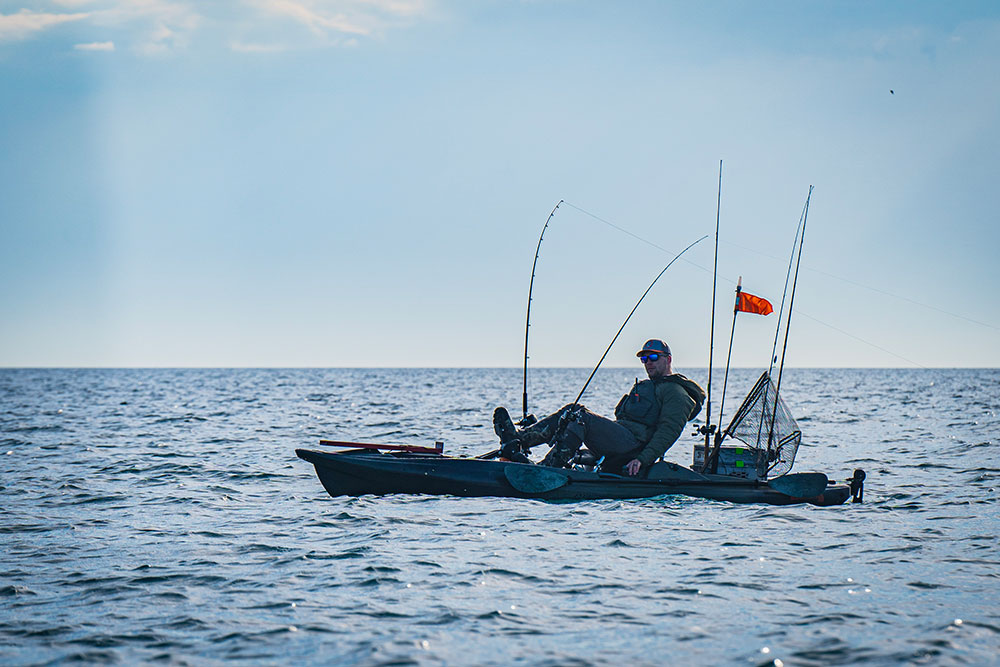
Credit: oldtownwatercraft.johnsonoutdoors.com
Different Types Of Fishing Kayaks
Choosing the right fishing kayak can dramatically improve your experience on the water. Whether you are a seasoned angler or a beginner, the type of kayak you choose is important. Let's dive into the different fishing kayaks available and find the perfect fit for your aquatic adventure.
Sit-on-top vs. sit-in
Sit-on-top and sit-inside kayaks offer unique experiences. Popular for sit-on-top fishing due to easy access and high stability. These models usually have scapular holes for water drainage. Seat-side kayaks, on the other hand, keep you drier and warmer, which can be important in colder climates.
- Sit-on-top kayaks: are ideal for warm weather and offer easy access to fishing gear.
- Sit-inside kayaks: provide shelter from wind and spray and offer good performance in the air.
Inflatable vs. Rigid
Inflatable kayaks and rigid kayaks each boast different advantages. Inflatable kayaks are lightweight and convenient for transportation and storage. Rigid kayaks made from materials such as plastic or fiberglass offer better speed and stability.
| Inflatable Kayaks | Rigid Kayaks |
|---|---|
| Easy to carry and store | Robust and long-lasting |
| Gentle on the water | Efficient movement through water |
Tandem Kayaks For Fishing Partners
Tandem kayaks are perfect for couples. Built for two, they allow anglers to enjoy fishing with the company. With extra space and storage, tandem kayaks make it easy to tackle fishing adventures together.
- This kayak has room for two paddlers.
- They come with extra storage for gear and catch.
- Tandem kayaks often feature comfortable seating for longer trips.
Key Features To Look For
Fishing from a kayak brings a thrilling combo of tranquility and adventure. Still, choosing the right one ensures a memorable outing.
Key features vary widely, but some stand out from the rest. Follow along as we dive into the must-have features of fishing kayaks.
Stability And Comfort
Kayak stability isn't just about staying afloat; This is the foundation of a good fishing trip. Wider hulls provide more stability, allowing you to cast lines without swaying.
Comfort follows closely. Look for padded, adjustable seats with back support. Your back will thank you after long hours in the water.
- Wide hull for better stability
- Adjustable footrest for personalized fit
Storage Capacity
Call for fishing gear. The best fishing kayaks boast ample storage space. Dry wells keep personal belongings safe. There are tackle boxes and rods in the on-deck space. Sealable hatches protect gear from splashes, which is a bonus.
| Storage Compartment | Function |
|---|---|
| Dry wells | Keep valuables dry |
| On-deck space | Quick-access to gear |
| Sealable hatches | Protects from water |
Mounts And Gear Tracks
Customize your kayak to fit your fishing style. Rod holders, fish finders, and mounts for paddles are game changers. Gear tracks allow quick repositioning of accessories. Don't forget cleats for anchoring or loops for easy catches.
- Flexible gear tracks for accessories
- Built-in rod holders for hands-free fishing
- Universal mounts fit various devices
Sizing Up The Perfect Kayak
Choosing the right fishing kayak is like choosing a fine suit. It must fit well for optimal comfort and function. The perfect kayak should match not only your size but also your fishing style and the waters you plan to explore.
Length And Width Trade-offs
Getting the dimensions right is crucial for stability and speed. Here's how:
- Longer kayaks glide faster and track well in straight lines.
- Shorter kayaks offer excellent maneuverability.
Width affects stability and comfort. Wider kayaks ensure a steadier ride, especially in choppy waters.
| Kayak Length | Speed | Maneuverability |
|---|---|---|
| Under 10 feet | Lower | High |
| 10-12 feet | Moderate | Moderate |
| Over 12 feet | Higher | Lower |
Weight Capacity Considerations
Weight capacity is a deal-breaker. This ensures that your kayak will not sink under the weight of your catch. Here's what to remember:
- Check the maximum weight capacity of the kayak.
- Consider your own weight, gear, and potential catch.
- Choose a kayak with extra capacity for safety and efficiency.
Remember to compare kayak models based on their load ratings. It should support everything you bring, so you have room to spare.
Navigating Waters: Kayak Propulsion Options
Fishing kayaks open up a world of adventure on the water. A key choice for any angler is choosing the right kayak propulsion system. Let's dive into the options available—pedal, pedal, or motor—and examine their unique advantages
Pedal, paddle, or motor?
Paddle, Pedal, Or Motor?
Choosing between paddling, pedaling, and a motor can shape your fishing experience. Here’s a quick look:
- Paddles - Traditional and hands-on
- Pedals - Hands-free and efficient
- Motor - Power-driven and swift
Advantages Of Each Propulsion Type
| Propulsion Type | Advantages |
|---|---|
| Paddle |
|
| Pedal |
|
| Motor |
|
Accessories For The Avid Kayak Angler
For those with a passion for kayak fishing, gearing up with the right accessories can transform your experience. These items not only enhance safety but also add convenience and efficiency to your fishing expedition.
Essential gear for safety and convenience
Safety should always come first on the water. That's why it's important to equip your kayak with the necessary safety gear:
- Personal Flotation Device (PFD): A life jacket designed for kayak anglers is a non-negotiable item.
- Waterproof Flashlight or Headlamp: Ideal for early morning or evening trips, ensuring visibility.
- Kayak Anchor: Helps maintain a steady position in strong current or wind conditions.
Convenience gears also play a big role.
- Kayak Cart: Makes transporting your kayak from vehicle to water easy.
- Dry Bag: Keep personal items and electronics safe and dry.
- Rod Holder: Allows hands-free fishing and organized storage for rods.
Customizing With Fishing Accessories
Customization with specialized fishing accessories can give anglers an edge:
| Accessory | Function |
|---|---|
| Fish Finder: | Locates fish and maps underwater topography. |
| Tackle Storage: | Organizes baits, lures, and tackles efficiently. |
| Adjustable Rod Holders: | Provides flexibility in fishing techniques. |
Other custom accessories include:
- Kayak Stabilizers: Improve stability for standing and casting.
- Mounting Systems: Create platforms for cameras, cup holders, and additional equipment.
- Kayak Covers: Protect your kayak from the elements while storing.
Transportation And Storage Tips
Before you catch that big fish, it's most important to get your kayak out on the water and secure it when not in use. Efficient transportation and storage of your fishing kayak ensures durability and ease of use for years to come. Let's dive into the best practices for storing your fishing kayak.
Hauling Your Kayak To The Water
Proper transportation is key to maintaining the condition of your kayak. Consider these tips:
- Use a kayak rack in your car for safe transport.
- Fasten it tightly, but avoid over-tightening, which could damage the hull.
- Invest in a quality kayak cart for easy transport from the car to the shore.
Check local transportation laws to stay safe and legal.
Storing Your Kayak Off-season
Long-term storage impacts your kayak's lifespan. Use these strategies:
- Clean your kayak thoroughly.
- Dry it completely to prevent mold.
- Use a kayak cover for dust protection.
| Storage Option | Benefits |
|---|---|
| Wall Racks | Saves floor space; easy access. |
| Freestanding Racks | Versatile; good for multiple kayaks. |
| Suspension Systems | Prevents hull deformation; excellent for long-term storage. |
Store in a cool, dry location away from direct sunlight. Don't leave it on the ground where it could warp.
Mastering Kayak Fishing Techniques
Are you interested in mastering the art of fishing from your kayak? Empowering yourself with the right fishing techniques can transform your kayak into a secret fishing vessel. Master these tricks to increase your chances of a big catch.
Casting and technique
Effortless casting makes for productive outings. Understand the importance of minimizing movement to maintain kayak stability. Practice accurate casting on targets in specific areas. Consider the following for effective welding:
- Sidearm Cast: Ideal for tight spaces under leaves.
- Underhand Toss: Perfect for a calm approach in calm water.
- Overhand Cast: Use when the distance exceeds stealth.
Mindful strategies are crucial. Remember these points:
- Calm Paddling: Approach fishing grounds without threatening fish.
- Short stroke: Maintain position effectively against the current.
- Using anchors: Stabilize your kayak in the desired area.
Handling fish from a kayak
Once you hook a fish, the challenge is releasing it without capsizing. It is important to balance efficiency and caution. Follow these steps to ensure success:
- Maintain a low center of gravity in your seat.
- Keep the rod tip up to direct the movement of the fish.
- Gently guide the fish to the side of your kayak.
Always have your gear within reach:
| Gear | Placement |
|---|---|
| Net | Secured at arm’s length |
| Pliers | In a holster or pocket |
| Release Basket | Mounted on the deck |
Be ready for the catch and quick release. With these techniques up your sleeve, you're set for an exciting and fruitful day on the water.
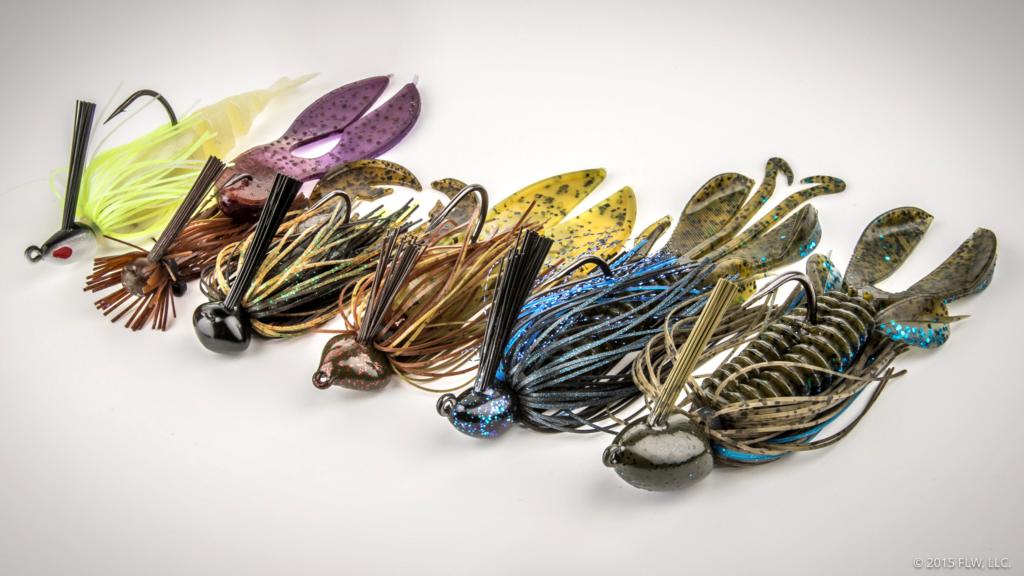
Credit: majorleaguefishing.com
Frequently Asked Questions For Fishing Kayaks
What Type Of Kayak Is Best For Fishing?
Sit-on-top kayaks are ideal for fishing due to their stability, ample storage, and easy access to gear. They allow for more mobility and are generally more comfortable for longer outings.
Are Fishing Kayaks Easy To Tip Over?
Fishing kayaks are generally stable and harder to tip over than other kayak types due to their wide hull design, making them suitable for anglers.
How Big Of A Kayak Do I Need For Fishing?
The ideal kayak size for fishing depends on the water type and your gear, but generally, a 10-12-foot kayak suits most anglers' needs.
Conclusion
Embarking on a fishing adventure with the right kayak elevates your experience. By choosing a model suited to your style and environment, you unlock endless aquatic possibilities. Remember, stability, storage, and comfort are key. Cast your line, navigate with confidence, and let the serenity of the water amplify your fishing escapades.
"The inclusion of a customizable dashboard, if applicable, is user-centric."
ReplyDeleteI've found a new favorite website. The content is just too good!
ReplyDelete