
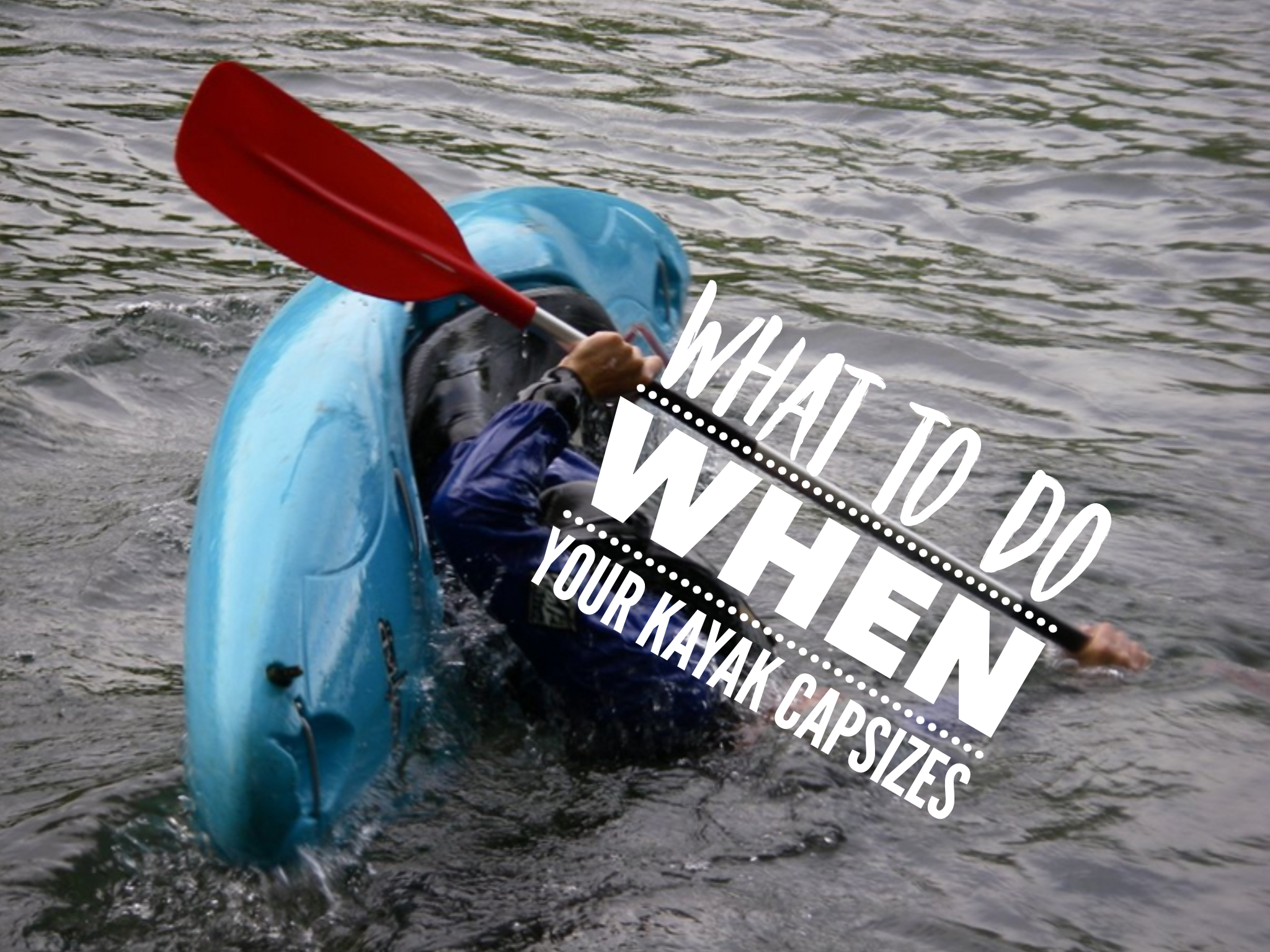
If your kayak flips, remain calm and prepare your paddle. Next, execute the kayak roll technique or exit the kayak if necessary.

Embarking on a kayak adventure ushers in the thrill of navigating waterways and experiencing the great outdoors. Yet, even with meticulous planning and skill, kayakers may face the challenge of a capsized vessel.
Mastering the art of righting a flipped kayak is crucial for safety and ensures that paddlers can confidently return to their exploration with minimal interruption.
This article aims to guide you through the essential steps to efficiently manage a kayak flip. Whether you're a seasoned paddler or new to the sport, understanding these recovery techniques will enhance your resilience on the water and promote a safer kayaking experience.
With expert tips and clear instructions, let's dive into the responsive actions to reclaim your composure and your kayak's upright position during an unexpected flip.
Also Read Best Kayak Ceiling Hoist: Elevate Storage Smartly!
Initial Shock And Staying Calm
The moment your kayak flips, it can be intense. Water surrounds you; your heart races. The key is to keep a clear head. Staying calm is crucial for your safety and to effectively manage the situation.
Managing Panic
As adrenaline surges, so does the urge to panic. Breathe deeply and focus to counter the initial shock. Keep these steps in mind:
- Close your mouth to prevent swallowing water
- Try to orient yourself
- Stay with your kayak if possible
Regaining Composure
Panic can fog your mind. To regain composure, follow this simple procedure:
- Breathe slowly to lower your heart rate
- Visualize your next actions
- Perform self-rescue or seek help if needed
Assessing The Situation
Picture this: your kayak flips. Water everywhere. You are soaking wet. What next? Stay calm and carry out a quick assessment before anything else.
Safety comes first, always. Ensuring you are unharmed aligns with prioritizing what matters most.
Next, a gear check ensures nothing critical is missing. Below, learn the first crucial steps following an unexpected flip.
Safety Assessment
First, scan for immediate dangers. Look around. Are you near rocks or other kayakers? Is the current strong? Keep your head above water, and use your hands to protect it if necessary.
Your well-being is a priority. Once clear, signal for help. Use a whistle or wave your paddle in the air. Make sure others know you need assistance.
- Check yourself for injuries.
- Stay clear of potentially dangerous obstacles.
- Use hand signals or a whistle to alert others.
Equipment Check
Time for a quick inventory. It’s important to recover your paddle and kayak first. These are essential for getting back to safety. Search for other items, such as your personal flotation device, if it's come off.
Scan the surface for smaller items like water bottles or equipment that may have floated away.
| Priority | Equipment |
|---|---|
| 1 | Paddle |
| 2 | Kayak |
| 3 | Personal Flotation Device |
| 4 | Other Gear |
Remember to keep a mental note of where your gear is. Act quickly but wisely to recover it. Safety always precedes equipment retrieval, so never put yourself in harm's way for possessions.
Righting The Kayak
Mastering the art of righting a flipped kayak is crucial for every paddler. Challenges arise in the blink of an eye on the water.
Knowing how to swiftly and safely correct a capsized kayak makes the difference between a slight hicrap and a potential emergency.
Let's dive into the steps and considerations required to get back on course after an unexpected flip.
Flip Techniques
Addressing the flip begins with staying calm. Once submerged, reach for the cockpit's sides and push the kayak right side up.
Secure your paddle first if it's within reach. If not, prioritize the kayak. Scoop water out if necessary before re-entering.
- Execute the Hip Snap: Tip the kayak upright using a hip flick while gripping the boat's side.
- Tuck Forward: Lower your body towards the water to reduce resistance during the flip.
- Use a Paddle Float: Attach a float for added stability when reorienting the kayak.
Solo Vs. Tandem Considerations
Whether in a solo or tandem kayak, different approaches apply. For solo paddlers, the key is practice.
Rehearse flipping and righting your kayak to gain confidence and skill. Tandem kayaks require coordination. Communicate clearly and work together to flip the boat upright.
| Solo Kayak | Tandem Kayak |
|---|---|
| Practice hip snaps and re-entries. | Work in unison, and count off to flip together. |
| Use paddle floats if available. | Distribute weight evenly during righting. |
| Always secure gear to prevent loss. | Plan roles: who steadies and who climbs first. |

Credit: www.amazon.com
Re-entry Strategies
Getting back into a flipped kayak can seem daunting. But, with the right skills, you'll return to paddling swiftly. We'll explore strategies suited for different situations.
Whether solo or with buddies, mastering these will ensure you always stay afloat. Ready? Let's dive into the re-entry techniques.
Also Read Best Kayak Covers: Ultimate Protection for Your Gear
Climbing Back In
Let’s start with a solo re-entry. First, approach the kayak's side. Flip the kayak by pulling the edge closest to you. Once upright, ensure the kayak is stable. Now, position yourself at the center of the kayak’s length.
- Kick your legs to stay buoyant.
- Place your hands on the kayak's edges.
- Push down with your arms and kick harder.
- Quickly glide your belly onto the kayak seat.
Once on the deck, slowly move into a sitting position. Be cautious; sudden movements can cause another flip. Remember, practice makes perfect, so repeatedly train this skill in calm waters.
Assisted Re-entry
With a partner, things get easier. Let's break down the steps:
- Signal for help, staying near the kayak.
- Let your partner stabilize your kayak by holding the opposite edge.
- Follow the solo re-entry steps with this added support.
By assisting each other, you reinforce safety and strengthen bonds. Always prioritize teamwork on group kayaking trips.
With these re-entry strategies, capsizing won't end your adventure. Remember to stay calm and follow the steps. Safe paddling comes with proper knowledge and a bit of practice.
Dealing With Waterlogged Vessels
Kayaking adventures can surprise you with an unexpected flip. Don't panic! Your ability to manage a waterlogged kayak is crucial for safety and getting back on the paddling track.
Water Removal
Emptying your kayak is step one.
- Flip the kayak right-side up.
- Bail water using a handheld pump or bucket.
- Drain the remaining water by tilting.
Dry compartments with a sponge or cloth.
Emergency Repairs
A flipped kayak may need quick fixes.
- Inspect for damage.
- Seal any leaks with duct tape or a repair kit.
- Check for secure fittings and latches.
Repairs done? Return to the water safely.
Preventive Measures
Preventing an unexpected kayak flip is key to a safe and enjoyable adventure. With the right techniques, you can keep your kayak stable and know what to do if it flips. The following preventive measures will help you stay prepared.
Stabilizing Your Kayak
To prevent capsizing, focus on kayak stabilization. Mastering basic paddling techniques contributes to the overall stability of your kayak. Here are tips to keep your kayak steady:
- Lower your center of gravity by sitting lower in the kayak.
- Keep your body centered to maintain balance.
- Use a paddle float to increase stability.
- Distribute weight evenly in the kayak.
Practicing Flipping Drills
Regularly practicing flipping drills is crucial. These drills help you react calmly and efficiently. Start practicing in shallow water with a buddy. Practice safely with these steps:
- Have a companion nearby for safety.
- Securely fasten your life jacket.
- Capsize the kayak intentionally in a controlled environment.
- Work on re-entering your kayak from the water.
Repeat these drills until you feel confident handling real-life situations.
Emergency Response Plan
Imagine your kayak just flipped in the water. What comes next? Here's your emergency response plan to ensure your safety and successful recovery.
Signaling For Help
Stay calm and signal for help immediately. Your life jacket should have a whistle.
- Use the whistle continuously in groups of three blasts.
- Wave your paddle high or use a mirror to reflect sunlight.
If you have a waterproof emergency radio, call for help using the proper channels.
Self-rescue Techniques
Self-rescue is critical, especially when alone. Here are steps to right the kayak and climb back in:
- Reach across the kayak's bottom.
- Grab the far edge and kick your legs to help flip it.
- Kick hard until the kayak turns upright.
Once upright, approach the kayak at the center.
| Steps to Re-Enter Kayak |
|---|
| Kick your feet and lift your body onto the kayak. |
| Roll over, belly down, across the seating area. |
| Sit up carefully and steady the kayak before moving. |
Credit: www.rei.com
Credit: bestmarineandoutdoors.com
Frequently Asked Questions For What To Do If Your Kayak Flips
How Do You Get Back in a Kayak After Flipping It?
To re-enter a flipped kayak, reach across the hull, grab the opposite edge, and pull to flip it right-side up. Secure your paddle, then kick your legs while pulling yourself up and onto the kayak's cockpit. Slide in, sit down, and stabilize before recommencing paddling.
What Happens If You Capsize in a Kayak?
If you capsize in a kayak, stay calm, hold onto your paddle, and follow the kayak's roll or wet exit procedures to safely exit and re-enter the vessel. Always wear a life jacket to ensure buoyancy.
Is It Hard To Get Out Of A Capsized Kayak?
Exiting a capsized kayak can be challenging but is manageable with practice. Calmly reach for the cockpit, push yourself out, and surface. Regular training improves skills and confidence in such situations.
Also Read Best Kayak Dog Seats: Paddle Safely with Your Pup!
Conclusion
In conclusion, mastering the skill of righting a flipped kayak is crucial for safety and confidence on the water. Short, consistent practice sessions will enhance your abilities.
Remember the steps: stay calm, secure your gear, flip, and re-enter. Safety should always be your guiding star in paddling adventures.
Venture out prepared and embrace the waves!