
The NRS Infinity Series Kayak Float Bags are widely regarded as the best for kayak buoyancy and safety. Their durable material and easy inflation ensure reliability on the water.

Kayak float bags are an essential accessory for paddlers seeking extra buoyancy and safety in the event of a capsizing. Understanding the importance of stability and preservation of on-water gear, experts often recommend the NRS Infinity Series due to their exceptional construction and performance.
Crafted from rugged 10-gauge urethane material, these float bags withstand abrasion and punctures. The zippered access makes them easy to inflate and deflate, which is crucial when preparing for or recovering from rapid immersion scenarios.
Their compatibility with a broad range of kayak models adds versatility for kayakers of all levels. Securing your vessel with top-notch float bags like the NRS Infinity Series enhances paddling confidence and ensures a safer experience in various water conditions.
Also Read Best 10 Whitewater Kayaks Review
Importance Of Buoyancy Aids
Kayak float bags are crucial for a safe paddling experience. They keep your kayak afloat if it fills with water. By adding extra buoyancy, these bags help to prevent capsizing. This is key in rough or unpredictable waters. A well-balanced kayak means you have better control. This makes your adventure both enjoyable and safe.
- Kayak float bags aid in keeping the kayak stable.
- They reduce the risk of the boat flipping over.
- Essential for whitewater and sea kayaking.
Safe kayaking always includes proper gear. Float bags are a top safety feature. They give peace of mind, especially in challenging conditions. Beginners and experts alike should use them. They are a smart investment for any kayaker.
Choosing The Right Float Bag
Selecting the appropriate float bag involves understanding both material options and sizing for your specific kayak. Durable materials such as vinyl or nylon are common choices. They must withstand abrasions and punctures. Vinyl is waterproof and easy to clean, making it a top pick for many kayakers.
Nylon float bags offer increased durability and are often coated for added water resistance. The correct size is crucial to ensure your kayak remains buoyant in case of capsizing. It is important to measure the interior space of your kayak before making a purchase.
| Kayak Type | Recommended Float Bag Size |
|---|---|
| Recreational | Medium to Large |
| Whitewater | Small to Medium |
| Sea Kayak | Large to Extra Large |
Top Kayak Float Bags On The Market
Finding the best kayak float bags can be a daunting task. Several popular brands dominate the market, each offering unique features. Let's take a closer look at what they offer.
The Dual Airbag System from Sea Eagle boasts high durability and is priced competitively. Parkside Floats offer a lightweight option and are slightly more expensive.
For those seeking advanced safety features, AquaSentry Kayak Floats provide extra security but come with a higher price tag. Lastly, Bluewater Kayak Bags are known for their user-friendly design, balancing quality and cost-effectiveness.
| Brand | Feature | Price Range |
|---|---|---|
| Sea Eagle | High durability | $$ |
| Parkside Floats | Lightweight | $$$ |
| AquaSentry | Advanced safety | $$$$ |
| Bluewater | User-friendly | $$$ |
Installation Tips For Maximum Efficiency
Installing kayak float bags correctly ensures safety and optimal performance. Begin by deflating the bags fully. Place them inside the kayak’s stern or bow. Make sure they are positioned evenly on each side.
Once in place, inflate the bags until they fill the space snugly. Do not overinflate, as this could damage the bags or kayak. Use the attachment points on the bags to secure them with ropes or straps. This prevents movement during transit.
For rough waters, tighten all securing lines. Check that there are no loose ends that could get caught. Ensure each bag is firmly attached and does not shift. Regular checks will maintain safety and proper function.
Also Read Best 10 Cheap Kayaks: Unbeatable Deals for Adventure Seekers
Caring For Your Float Bags
Caring for your kayak float bags ensures they last longer and perform better. Clean your float bags with fresh water after each use. Make sure to remove any debris or dirt. Allow them to dry completely before storage to prevent mold. Never use harsh chemicals; they can damage the material.
Storing float bags should be done in a cool, dry place. Avoid direct sunlight and sharp objects that could cause punctures. Fold them loosely to avoid creases and don't place heavy items on top. Proper storage maintains bag integrity.
| Cleaning | Maintenance | Storage |
|---|---|---|
| Rinse with fresh water | Check for wear and tear | Store in a dry location |
| No harsh chemicals | Repair small punctures promptly | Avoid direct sunlight |
| Dry before storing | Ensure valves are functioning | Dont place heavy items on top |
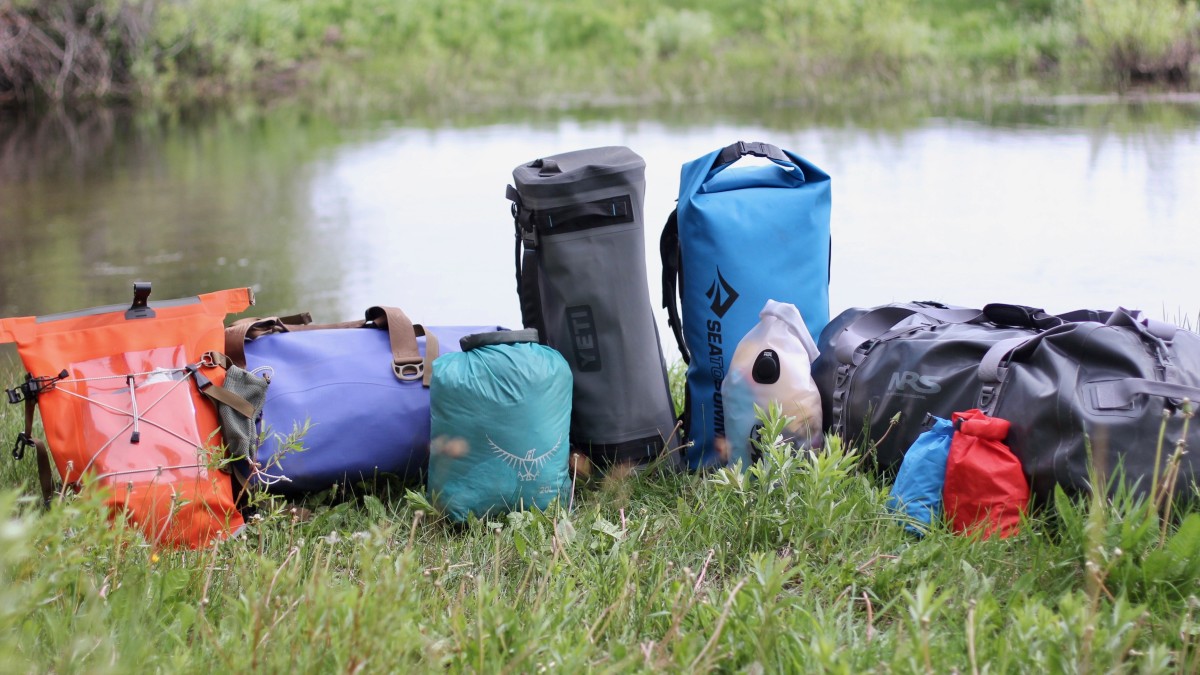
Credit: www.outdoorgearlab.com

Credit: www.treelinereview.com
Frequently Asked Questions On Best Kayak Float Bags
Are Kayak Float Bags Necessary?
Kayak float bags aren't essential but highly recommended for enhancing buoyancy and safety during capsizing, particularly in whitewater or sea kayaking. They help to prevent water from filling the kayak, making recovery easier.
Where Do You Put Float Bags In A Kayak?
Place float bags in the stern and bow of your kayak, ensuring they fit snugly into the compartments. Secure them firmly to prevent movement while paddling.
What Are Oru Float Bags For?
ORU float bags provide additional buoyancy and stability for ORU kayaks, enhancing safety during paddling sessions. They fit inside the kayak's stern and bow.
Conclusion
Selecting the right kayak float bag is essential for your safety and peace of mind. We've explored the top options to keep your kayak buoyant and secure. Remember, a wisely-chosen float bag can define your paddling experience. Gear up with confidence and embrace your next water adventure.
"I learned something new from your blog. Keep up the good work!"
ReplyDelete